
Flat Shoes, Real Problems: Why Support Still Matters This Spring
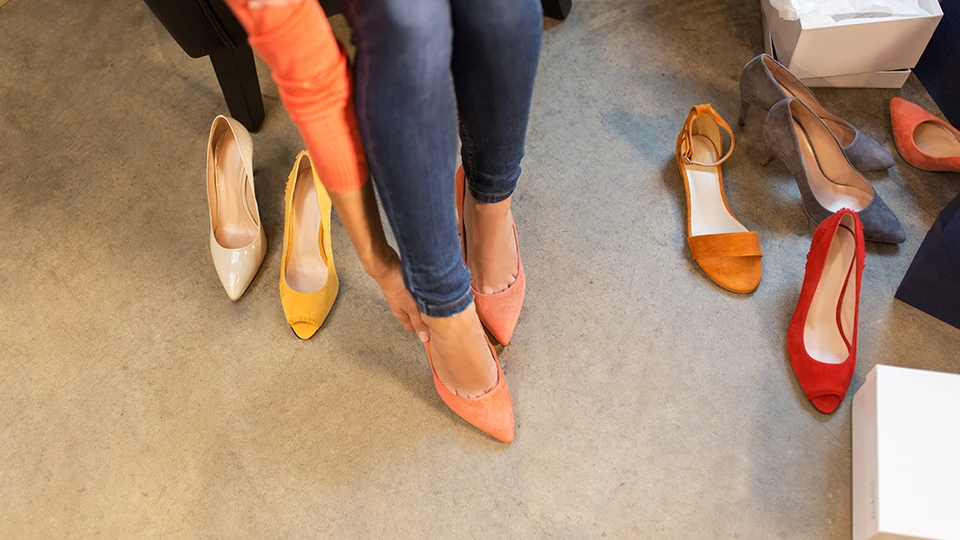
As spring arrives in Las Vegas, many people swap their winter boots for ballet flats, loafers, and lightweight slip-ons. They’re stylish, simple, and easy to pair with any outfit — but these shoes often hide a serious problem: they offer almost no support.
At The Foot Docs, our specialists see a noticeable rise in foot and heel pain each spring, often linked to seasonal footwear choices. Flat shoes may feel comfortable at first, but over time, they can place excessive strain on your feet, ankles, and even your posture.
The Problem with Flat Shoes
Flats are appealing because they’re flexible and fashionable — but that flexibility often comes at the expense of support. Most flat shoes:
- Lack arch support, straining the plantar fascia
- Have minimal cushioning, increasing impact on the heel and forefoot
- Provide poor shock absorption, contributing to joint pain
- Feature thin soles that don’t protect from uneven ground
- Encourage poor alignment, especially in those with existing gait imbalances
Wearing flats regularly can lead to foot fatigue, heel pain, and chronic conditions such as plantar fasciitis, tendonitis, and metatarsalgia (pain in the ball of the foot).
Why Flat Isn’t Functional
Your foot has natural curves designed to absorb shock and distribute your body weight evenly. When that support is missing, your foot mechanics are compromised — and the effects can travel up the chain, causing:
- Ankle instability
- Shin splints
- Knee and hip discomfort
- Lower back pain
If you already have flat feet, overpronation, or nerve sensitivity, flat shoes can make symptoms significantly worse.
What to Wear Instead
1. Choose Supportive Flats
Not all flats are bad — just choose wisely. Look for structured designs with built-in arch support, cushioned midsoles, and firm heel counters. Avoid shoes that fold easily in half or have thin, floppy soles.
2. Try Flatforms or Low Heels
Flatforms give your feet a slight lift without compromising stability. Even a small heel (1–2 inches) can reduce pressure on your arch and Achilles tendon, as long as it’s cushioned and stable.
3. Opt for Supportive Sandals or Sneakers
As temperatures rise, trade unsupportive footwear for sandals or sneakers with contoured footbeds, thicker soles, and proper heel cushioning.
4. Use Custom Orthotics
At The Foot Docs, we use 3D scanning and gait analysis to design custom orthotics that fit your exact foot shape and activity level. Orthotics can turn stylish shoes into truly supportive footwear — ideal for those who don’t want to sacrifice comfort or aesthetics.
Already Feeling the Pain?
If your feet ache after a day in flats, that’s your body’s way of warning you. The good news? Pain from poor footwear can often be reversed with the right care.
At The Foot Docs, we offer advanced, non-invasive treatments to relieve pain and restore balance, including:
- Remy Class IV Laser Therapy for heel, arch, and tendon pain
- Regenerative injection therapy to reduce inflammation and promote healing
- Custom orthotics for long-term structural correction
- Personalized footwear guidance to prevent recurring discomfort
Don’t Let Fashion Outweigh Function
Style shouldn’t mean sacrificing your foot health. Those sleek, flat shoes may complete your outfit — but they can also cause long-term strain that takes months to heal.
This spring, make sure your shoes work with your feet, not against them.
At The Foot Docs, we’ll help you find the perfect balance between comfort, function, and style — so you can step into the season pain-free.📞 Call 702-530-2283
📍 6835 W Charleston Blvd, Las Vegas, NV 89117