
Shin Splints: What They Are, and How to Avoid Them This Fall
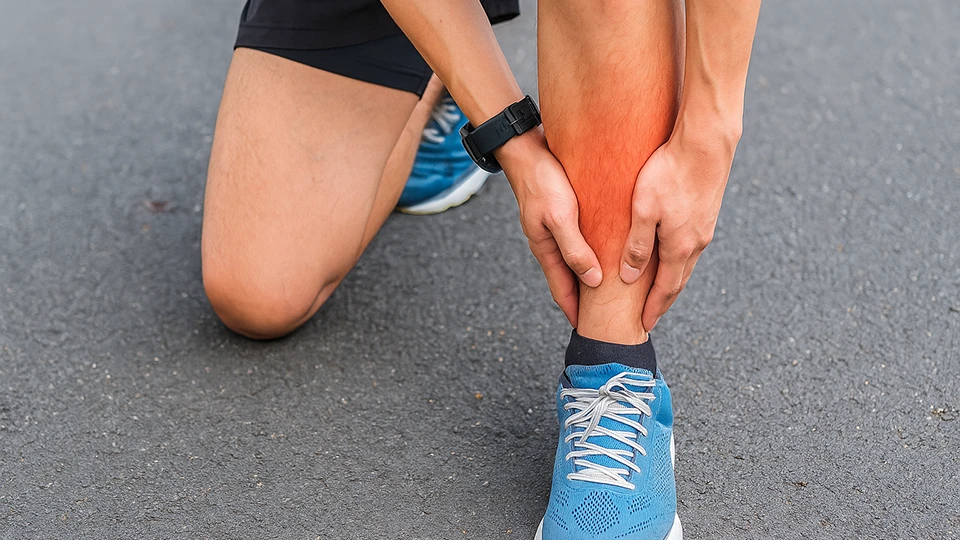
As fall sports, school athletics, and fitness routines kick into gear, one of the most common overuse injuries makes its return — shin splints. Whether you’re a runner, soccer player, or weekend fitness enthusiast, this condition can bring your momentum to a painful halt if left unaddressed.
At The Foot Docs in Las Vegas, our board-certified foot and ankle specialists help athletes of all ages recover from shin splints and prevent them from coming back through personalized, evidence-based care.
What Are Shin Splints?
Shin splints, medically known as medial tibial stress syndrome, occur when the muscles, tendons, and connective tissues along the tibia (shinbone) become irritated due to repetitive stress.
Common symptoms include:
- A dull, aching pain along the inner edge of the shin
- Tenderness or mild swelling
- Pain that worsens with activity but eases with rest
If untreated, shin splints can progress into stress reactions or even fractures, so early management is key.
Why Shin Splints Happen
Fall often brings an uptick in sports training and outdoor activity — both major contributors to shin strain. Common causes include:
- Flat feet or high arches that alter gait mechanics and increase tibial stress
- Unsupportive or worn-out shoes with poor shock absorption
- Sudden increases in activity level (new sports season, longer runs, harder surfaces)
- Tight calf muscles or weak stabilizing muscles, which shift extra load to the shins
Preventing Shin Splints
1. Choose the Right Footwear
Supportive shoes are your first defense. Look for:
- Proper bending at the ball of the foot
- A firm heel counter for stability
- Quality cushioning that maintains shape
- Activity-specific designs (running shoes for running, cleats for sports)
2. Opt for Wider Toe Boxes
Shoes that squeeze your toes alter foot mechanics and increase pressure on your shins. A wider toe box promotes natural movement and reduces strain.
3. Rotate Your Shoes
Switching between pairs allows the cushioning to recover and provides variation for your feet — helping prevent repetitive stress.
4. Limit Barefoot Time on Hard Floors
Barefoot walking on tile or concrete may seem harmless but can overload your shins and arches, especially if you have flat feet or low arches.
5. Stretch and Strengthen Regularly
Calf stretches, ankle mobility drills, and hip-strengthening exercises keep muscles balanced and reduce shinbone tension.
When to See a Specialist
If pain continues or returns frequently, it’s best to consult a podiatric specialist. At The Foot Docs, we use advanced diagnostic tools to identify the exact cause of your discomfort:
- Digital X-rays to rule out stress fractures
- Biomechanical analysis to evaluate movement patterns and footwear needs
Advanced Treatment Options at The Foot Docs
Our tailored treatment plans are designed for fast, long-term recovery and prevention:
- Custom orthotics for precise arch and heel support
- Regenerative medicine therapies to promote tissue repair
- Remy Class IV Laser Therapy to reduce inflammation and accelerate healing
- Sports rehabilitation and strengthening programs to restore mobility and prevent recurrence
Stay Active, Stay Pain-Free
Shin splints shouldn’t stop your stride this season. With the right preventive care and expert guidance, you can stay strong, active, and pain-free all fall.
Schedule a consultation today with The Foot Docs — Las Vegas’ trusted specialists in advanced foot and ankle care.
📞 702-530-2283
📍 6835 W Charleston Blvd, Las Vegas, NV 89117